Connections Between Global Tennis Circuits and Live Poker Room Activity Levels on Portable Devices
Written by Alex Griffin · Oct 10, 2026
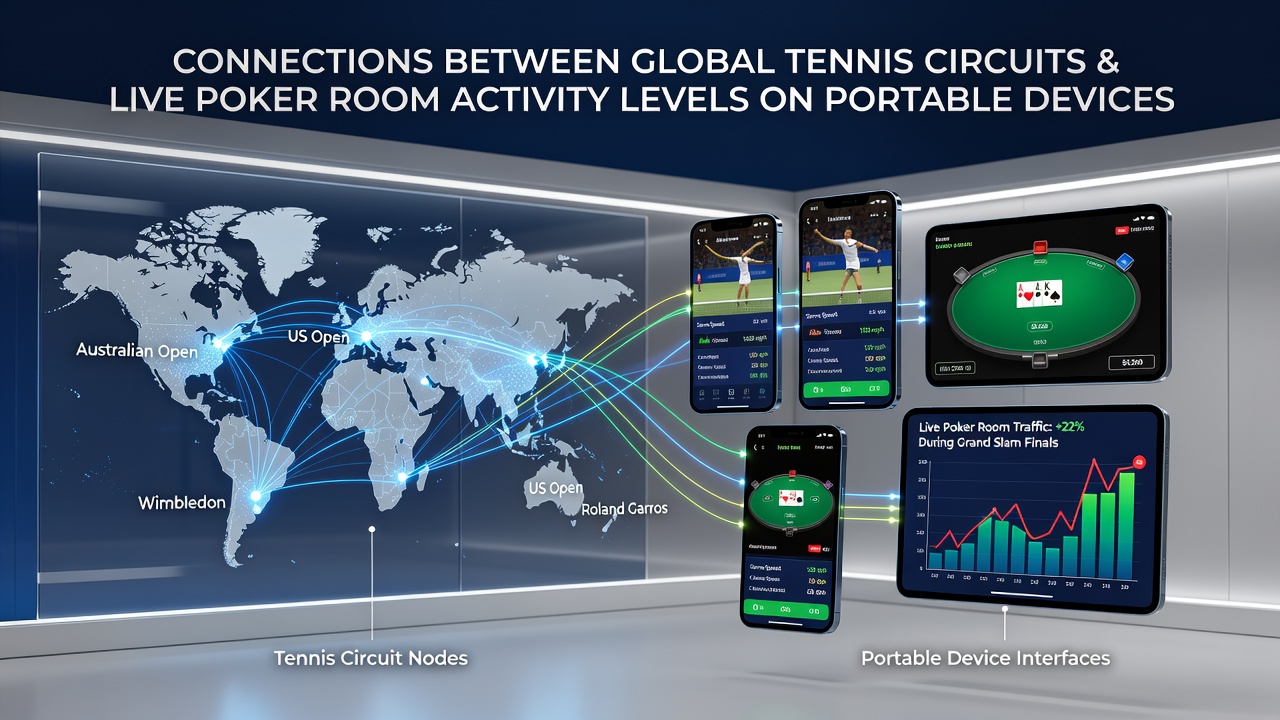
Connections Between Global Tennis Circuits and Live Poker Room Activity Levels on Portable Devices
Global tennis circuits generate measurable shifts in live poker room engagement on portable devices, with data from multiple regions revealing consistent patterns during major events such as the Australian Open, Roland Garros, Wimbledon, and the US Open. Mobile analytics platforms track these fluctuations through metrics including session durations, table occupancy rates, and deposit volumes, and researchers at institutions like the University of Nevada have documented how tournament schedules align with spikes in poker participation.
Seasonal Patterns Across Major Tennis Events
ATP and WTA calendars create predictable windows where portable device users increase their time in live poker environments, particularly when matches extend into evening hours across time zones. During the 2026 season, activity levels on wireless platforms rose notably in October as the ATP Finals approached in Turin, and analysts noted that users often switched between live tennis streams and poker tables within the same session. French regulatory reports from ARJEL show similar correlations in European markets, where mobile traffic to poker rooms climbed during the Paris Masters and other fall swing events.
Portable device data further indicates that players in Australia and North America exhibit overlapping behaviors, with session starts clustering around key tennis match times rather than random intervals. One study from an Australian research group found that average poker session length extended by 12 to 18 minutes during grand slam weeks compared to non-tournament periods, suggesting users multitask across entertainment formats on the same screens.
Geographic Variations in Mobile Poker Engagement
Regional differences emerge clearly when comparing North American, European, and Asia-Pacific markets. In the United States, Nevada Gaming Control Board figures reveal elevated real-money poker activity on mobile during US Open broadcasts, while Canadian provincial data points to steadier but lower-volume increases tied to international tennis scheduling. European operators report stronger correlations in countries where both tennis viewership and regulated poker coexist on the same applications.

Observers note that time zone alignment plays a role: Asia-Pacific users often show heightened poker room entries during European tennis morning sessions, whereas North American peaks coincide with afternoon and evening matches. These patterns hold across both iOS and Android ecosystems, with developers observing that push notifications for tennis results sometimes precede immediate transitions into poker lobbies.
Device-Level Behaviors and Platform Features
Portable device telemetry reveals that split-screen usage and background audio streaming enable simultaneous tennis consumption and poker participation. Application logs indicate users frequently keep tennis score widgets open while entering live poker rooms, and operators have adjusted interface designs to accommodate this multitasking without requiring full app switches. Data collected through October 2026 demonstrates that battery optimization features and 5G connectivity further support extended dual-activity sessions during high-profile tennis weeks.
Payment and withdrawal patterns also align with tennis schedules, as deposit volumes on mobile poker platforms show modest but consistent upticks in the hours following marquee matches. Industry reports from trade associations highlight that these shifts remain within normal variance yet follow repeatable calendar-based rhythms rather than isolated spikes.
Conclusion
Evidence from regulatory bodies, academic research, and platform analytics demonstrates tangible connections between global tennis circuits and live poker room activity on portable devices. These links appear through seasonal timing, geographic market responses, and device-specific usage patterns that persist across multiple tournament cycles. Continued monitoring of mobile data streams will likely refine understanding of how entertainment calendars influence real-time gaming behaviors without requiring direct causation assumptions.