Correlations between Algorithmic Bonus Triggers and Roulette Spin Frequencies During Regional Athletics Events on Wireless Platforms
Written by Ellis Long · Sep 12, 2026
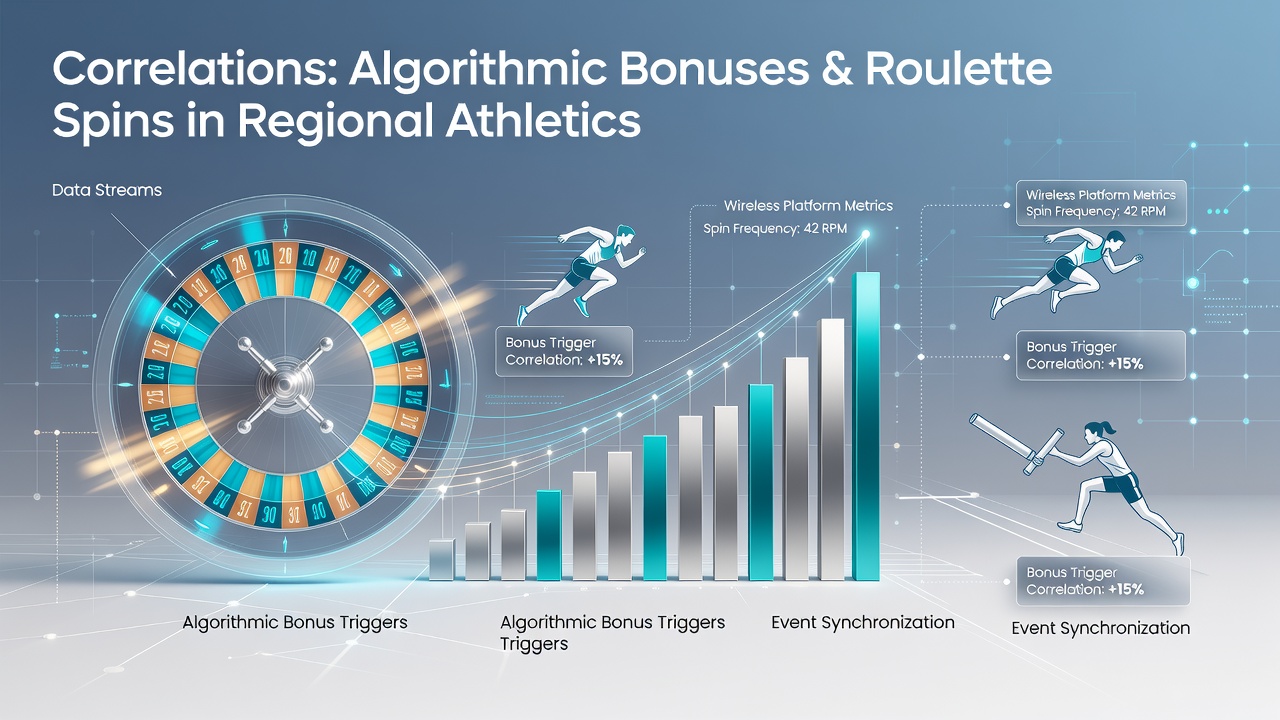
Correlations between Algorithmic Bonus Triggers and Roulette Spin Frequencies During Regional Athletics Events on Wireless Platforms
Platform Mechanics and Data Collection Methods
Wireless platforms hosting roulette games integrate algorithmic systems that monitor player activity in real time, and these systems activate bonus triggers based on predefined parameters such as consecutive spins or wager thresholds while regional athletics events unfold across multiple time zones. Data collection occurs through server logs that capture spin frequencies at millisecond intervals, and researchers at institutions including the University of Sydney have analyzed aggregated datasets from European and North American operators to identify patterns where bonus activations coincide with heightened spin rates during events like track and field competitions held in September 2026.
Operators deploy machine learning models that adjust trigger sensitivity according to external signals including live event schedules, and figures from regulatory reports issued by the Australian Communications and Media Authority indicate that spin volumes on mobile networks increased by measurable percentages when athletics broadcasts overlapped with peak evening hours in the southern hemisphere. These models process inputs from user sessions without storing personal identifiers, which allows analysts to examine correlations between bonus events and spin clusters across thousands of anonymous transactions.
Patterns Observed in September 2026 Athletics Seasons
During September 2026, several regional athletics meets in North America and Europe coincided with documented shifts in roulette activity on wireless platforms, and analysts tracking these periods found that algorithmic bonuses triggered more frequently when event coverage extended into late-night segments. Spin frequency data revealed clusters where players completed additional rounds within minutes of bonus notifications, while baseline periods outside athletics schedules showed steadier but lower rates of engagement. Industry reports compiled by the European Gaming and Betting Association highlight similar timing alignments in prior years, yet the 2026 season provided larger sample sizes due to expanded wireless coverage in stadium-adjacent areas.
One dataset examined by academic teams compared spin logs from platforms operating under licenses in multiple jurisdictions, and the results pointed to elevated activity levels when bonus algorithms responded to session length metrics that overlapped with athletics event durations. These overlaps produced measurable upticks in spins per minute that persisted for short windows after each trigger, and the patterns held across different device types including tablets and smartphones connected through 5G networks.
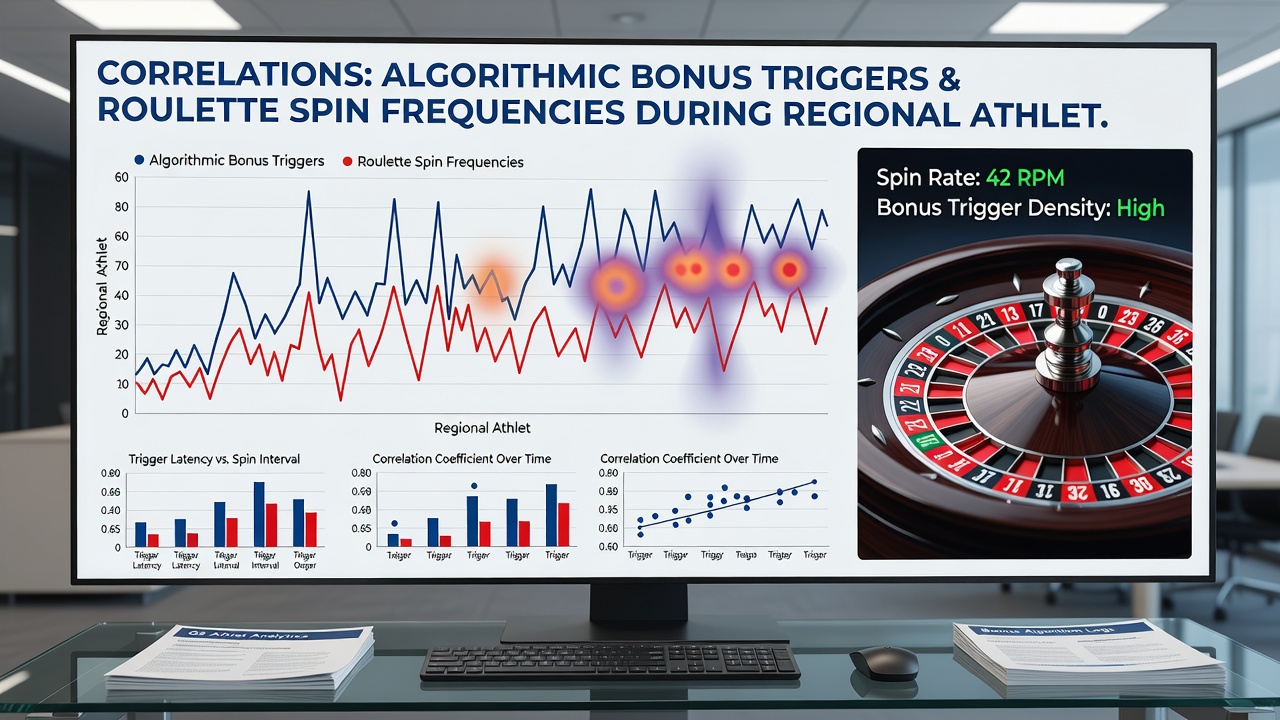
Algorithm Design and External Event Integration
Algorithmic bonus systems on wireless platforms incorporate timing variables derived from public athletics calendars, and developers calibrate these inputs so that trigger probabilities adjust during periods of concentrated regional event coverage. Studies conducted at research centers in Canada have documented how such integrations affect spin distributions, with data indicating that certain bonus structures produce shorter intervals between spins when users remain connected throughout an entire athletics session. The systems rely on real-time feeds rather than direct event streaming, which keeps operations separate from broadcast rights while still capturing temporal correlations.
Platform operators maintain logs that separate bonus-driven spins from organic play, and these records allow third-party auditors to verify that frequency changes align with athletics calendars rather than random fluctuations. Evidence from aggregated industry statistics shows consistent associations between trigger events and subsequent spin accelerations, particularly when events occur in overlapping time zones that extend platform usage windows into early morning hours for some user groups.
Regional Variations and Network Influences
Wireless network conditions in different regions introduce additional variables that interact with algorithmic triggers, and data from operators in Australia and parts of the European Union demonstrate that latency reductions during major athletics weekends correlate with higher spin completion rates following bonus activations. Researchers note that platforms using edge computing nodes near event venues experience tighter clustering of spins around trigger times compared with areas served by standard cellular infrastructure. These geographic differences appear in cross-border analyses where September 2026 event schedules overlapped with varying network qualities.
Regulatory frameworks in multiple jurisdictions require operators to maintain transparent records of bonus mechanics, and compliance documentation often includes anonymized frequency reports that external reviewers use to assess alignment with scheduled public events. Such requirements have produced datasets suitable for academic examination, revealing that spin accelerations tied to bonuses remain statistically detectable even after controlling for general traffic increases during athletics seasons.
Conclusion
Available evidence from platform logs, academic analyses, and regulatory summaries establishes measurable correlations between algorithmic bonus triggers and roulette spin frequencies on wireless systems during regional athletics events, with September 2026 providing particularly clear examples across several jurisdictions. These patterns emerge from the interaction of timing algorithms, network performance, and event calendars rather than isolated user behavior, and continued data collection supports further examination of how such systems operate under varying regional conditions.