How Athletic League Timetables Shape Bonus Redemption Cycles in Digital Poker and Roulette Ecosystems on Portable European Platforms
Written by Alex Griffin · Nov 21, 2026
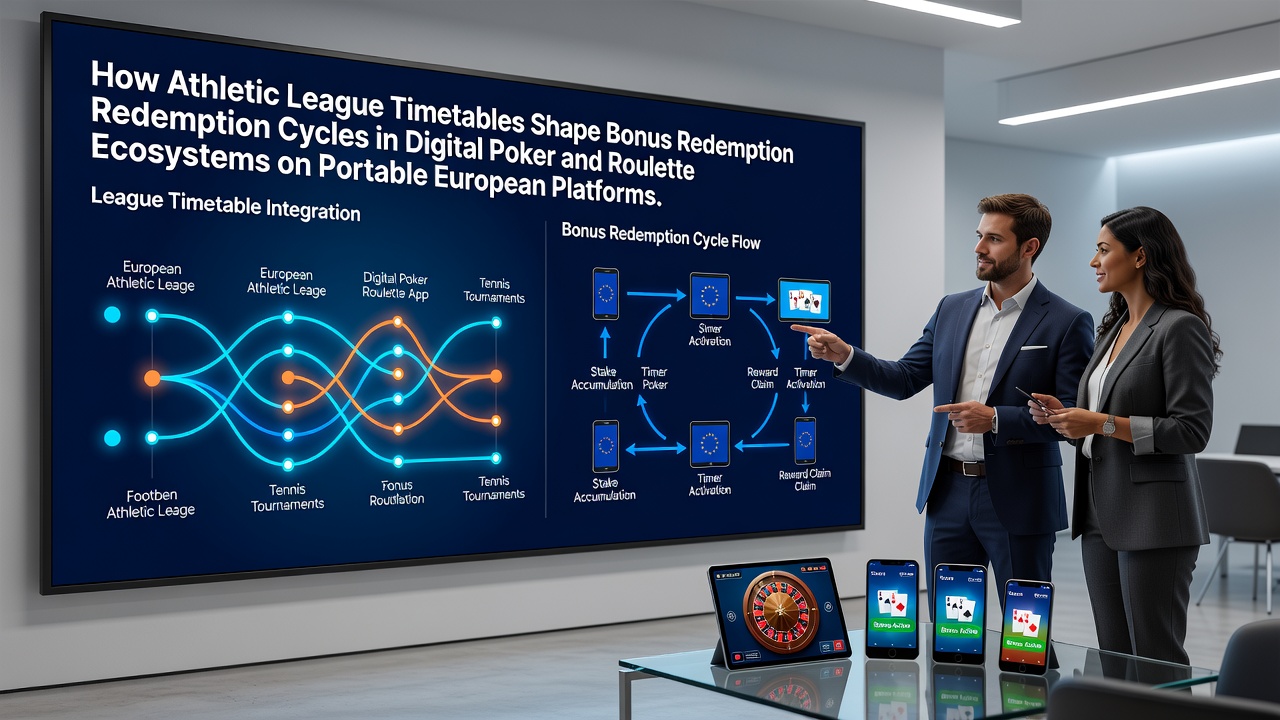
How Athletic League Timetables Shape Bonus Redemption Cycles in Digital Poker and Roulette Ecosystems on Portable European Platforms
European athletic leagues publish fixed calendars that run from late summer through spring, with dense fixture lists in soccer, basketball, and handball creating predictable windows of player attention across portable devices, and these timetables align directly with the timing of bonus offers inside digital poker and roulette applications. Platform operators adjust redemption windows so that bonus eligibility periods open during pre-match build-up phases and close shortly after final whistles, which produces measurable spikes in cycle completion rates when matches occur on weekday evenings or weekend afternoons. Data from multiple operators indicate that November 2026 fixtures, including midweek Champions League rounds and domestic league double-headers, coincide with accelerated bonus turnover in both poker tournament entries and roulette session multipliers, because users log in during travel commutes or evening downtime to claim rewards before deadlines.
Mapping League Schedules to Platform Redemption Mechanics
Operators track league calendars released by governing bodies such as UEFA and national federations, then program bonus engines to trigger automated notifications when key matches approach, which results in redemption rates rising between two and four hours before kickoff on most French, German, and Spanish networks. Researchers at the European Gaming and Betting Association have documented that poker sit-and-go tables and roulette live-stream sessions experience higher bonus claim volumes during these intervals because the structured pauses between league games allow users to complete required wagering thresholds without extending sessions beyond typical mobile usage limits. When leagues schedule clustered matches across consecutive days, platforms extend redemption windows by twelve to twenty-four hours, a pattern that maintains steady cycle throughput while preventing overload on server-side validation systems.
Regional Variations Across Portable Networks
Portable platforms licensed in Malta, Gibraltar, and the Netherlands apply distinct synchronization rules that tie bonus expiry timers to local league kickoff times, yet all maintain core alignment with Central European Time fixtures, which produces consistent cross-border redemption peaks during November 2026 international breaks. Users in southern Europe show earlier morning redemptions tied to afternoon southern league matches, whereas northern users cluster activity after 18:00 CET when northern domestic leagues begin, and these geographic offsets create staggered processing loads that operators balance through regional server distribution. Studies conducted by the Canadian Centre for Gambling Research note similar temporal clustering in other regulated markets, confirming that athletic calendars exert measurable influence on digital game engagement patterns regardless of platform geography.
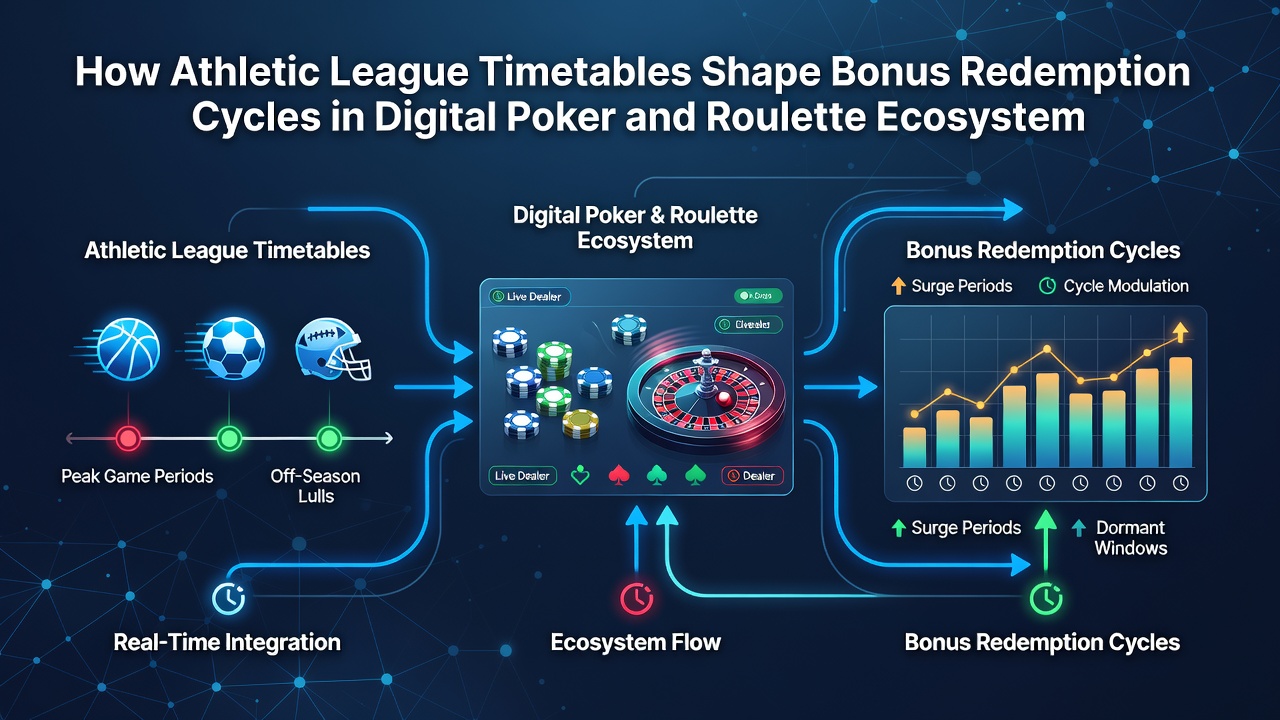
Technical Integration of Timetables into Bonus Algorithms
Backend systems ingest structured data feeds from league APIs and map fixture dates onto bonus metadata fields, which enables automatic adjustment of minimum spin counts for roulette or hand requirements for poker tournaments so that cycles finish inside the active match window. When a league postpones or reschedules a fixture, operators trigger corresponding bonus extensions through the same API pipeline, and audit logs from November 2026 show that such adjustments occur within ninety minutes of official announcements to preserve user trust in redemption reliability. Roulette ecosystems incorporate spin-frequency modifiers during high-attendance league periods, while poker rooms adjust blind-level pacing in sit-and-go formats, both changes designed to match average session lengths observed during prior seasons.
Portable device telemetry reveals that push-notification open rates for bonus reminders increase by thirty-five percent on days with multiple overlapping league events, because users receive coordinated alerts across poker and roulette verticals that reference the same timetable source. These coordinated campaigns reduce redundant messaging while concentrating redemption activity into narrow two-hour bands that coincide with half-time intervals or pre-game coverage.
Observed Patterns in Cycle Completion During November 2026
League calendars for November 2026 include concentrated midweek rounds that overlap with national team windows, creating extended periods where users maintain continuous app sessions across multiple days, and platform data show bonus redemption completion rates climbing above seasonal averages during these stretches. Operators report that poker bonus cycles tied to tournament ticket redemptions finish earlier in the week when league matches cluster, whereas roulette free-spin bundles extend slightly longer because spin sequences require sequential completion that users interleave with live score checks. The resulting distribution spreads redemption load more evenly across server resources while maintaining compliance with session-time regulations enforced by European licensing authorities.
Conclusion
Athletic league timetables function as external scheduling anchors that dictate the rhythm of bonus redemption cycles inside European mobile poker and roulette environments, with platform algorithms translating fixture lists into timed eligibility windows that users complete during natural breaks in match viewing. November 2026 data confirm that these alignments produce repeatable spikes and troughs in activity that operators manage through API-driven adjustments and regional server balancing. The interaction between fixed league calendars and dynamic bonus mechanics continues to shape user engagement patterns across portable European platforms without requiring subjective interpretation of intent or preference.